
What Is Integrative Veterinary Medicine? Blending Holistic and Conventional Care for Your Pet

If your dog’s arthritis medication only takes the edge off, or your cat’s itchy skin keeps coming back no matter which cream you try, you may be wondering whether there’s more your vet could be doing. Often there is. Integrative care gives your pet the full toolbox: modern diagnostics and proven medications, plus therapies like acupuncture, laser therapy, herbal support, and nutrition planning, all chosen by one veterinarian who looks at the whole animal. At ZenPets Integrative Veterinary Care, that is the everyday approach behind our holistic veterinary care in Columbia, SC.
It isn’t a choice between “natural” and “medical.” It’s a way of combining the two so each treatment does the job it does best, and your pet feels better with less stress along the way.
This Article Will Address
- What the term really means and how it differs from “alternative” medicine
- What the research says about holistic therapies
- How integrative treatments fit with care your pet already receives
- Which conditions tend to respond best
- Why healthy pets benefit too
- How to choose a qualified integrative veterinarian
What Does “Integrative Veterinary Medicine” Actually Mean?
It means coordinating conventional treatment with complementary therapies in a single plan, guided by one veterinarian. The American Veterinary Medical Association (AVMA) uses nearly the same definition, describing it as the coordination of complementary, alternative, and conventional care.
The terms under the umbrella of complementary and alternative veterinary medicine get mixed up a lot, so here is the short version:
- Conventional veterinary medicine: exams, bloodwork, X-rays, vaccines, prescription drugs, and surgery.
- Complementary medicine: therapies such as acupuncture, or herbs used together with conventional care.
- Alternative medicine: those same therapies used instead of conventional care.
We practice the first two together. We never ask anyone to give up a proven treatment. A dog with a torn knee ligament may still need surgery, and a cat with a bacterial infection still needs antibiotics. What changes is everything around that treatment: how we manage pain, support healing, adjust diet, and keep your pet calm during recovery. Much of this draws on Traditional Chinese Veterinary Medicine (TCVM), a system that looks for patterns across the whole body instead of chasing one symptom at a time.
Is Holistic Pet Care Backed by Science, or Is It Alternative Medicine Only?
Some of it is well supported, some is still being studied, and a good integrative vet will tell you which is which. Holistic pet care isn’t one thing, so it can’t be judged as a single package. The AVMA’s position is that every therapy, conventional or not, should be held to the same professional and ethical standards, and we agree.
Here is an honest look at where common therapies stand today:
- Acupuncture: the strongest body of veterinary research, especially for pain and mobility problems.
- Cold laser therapy: growing evidence for calming inflammation and speeding tissue healing.
- Nutritional therapy: a well-established part of mainstream medicine for skin, gut, kidney, and weight issues.
- Herbal medicine: some formulas show promising results, but herbs are active compounds that need veterinary dosing and a check for drug interactions.
That last point matters. Integrative care should never mean skipping a diagnosis. Before we recommend any therapy, we want to know what’s actually going on, whether that takes bloodwork, X-rays, cytology, or thermal imaging. Diagnosis comes first, and an evidence-based treatment plan follows from it.
Can Integrative Treatments Work Alongside a Conventional Vet’s Treatment Plan?
Yes, and in most cases they work best that way. Integrative veterinary care is designed to support conventional treatment, not compete with it, and many pets do well on a combined plan.
Picture a senior golden retriever taking an anti-inflammatory for arthritis. Adding acupuncture and laser sessions may help him move more comfortably, and some pets eventually do well on a lower medication dose, which can ease long-term strain on the liver and kidneys. Any change like that is made carefully and monitored with follow-up bloodwork, never guessed at.
If your pet already sees another veterinarian or a specialist, we’re happy to coordinate. Sharing records and a complete list of medications and supplements keeps everyone on the same page and helps prevent interactions, especially with herbal products. Some families come to us specifically for veterinary acupuncture or pain management, while others choose ZenPets for everything from vaccines to behavior support.
What Conditions Benefit Most from an Integrative Approach?
Long-term conditions involving pain, inflammation, or stress tend to benefit most. These are problems where a single drug rarely solves everything and a layered plan can make a real difference in daily comfort.
Pets we commonly help include those living with:
- Arthritis, hip dysplasia, and age-related stiffness
- Back and neck pain, including disc disease
- Recovery after orthopedic surgery or injury
- Chronic allergies, itchy skin, and recurring ear problems
- Digestive trouble and food sensitivities
- Anxiety, noise phobias, and stress-related behaviors
- Extra weight that limits mobility
Behavior deserves special mention, because physical and emotional health are so closely linked. A dog who snaps when touched may be hurting. A cat who stops using the litter box may be stressed, sick, or both. Dr. Gardner’s background in behavioral medicine means we look at both sides, and our behavioral consultant, Susan Etherton, builds positive reinforcement plans through our behavioral consultations and training classes. Options range from socialization and exercise classes to one-on-one sessions, day board and train, and Canine Good Citizen preparation.
Is Integrative Care Only for Sick Pets, or Does It Help Healthy Ones Too?
It helps healthy pets too, and that’s often where it does the most good. The whole-body mindset behind integrative care is naturally preventive: spot small imbalances early, before they grow into bigger problems.
For a healthy pet, that can look like:
- An annual or semi-annual exam that takes a close look at diet, weight, and behavior
- Core vaccine titers to check existing immunity before revaccinating
- An individualized diet or nutritional testing to support skin, coat, and digestion
- Fitness and weight management programs that protect joints as pets age
- Early socialization, which heads off many fear-based behavior problems later
Prevention is also about the visit itself. Our team is trained in low-stress handling, so trips to the vet don’t become something your pet dreads. A relaxed patient is easier to examine thoroughly, and a pet who isn’t afraid of the clinic is far more likely to get the regular checkups that catch problems early.
What Should You Look for in an Integrative Veterinarian?
Look for a licensed veterinarian first and additional certification second. Complementary therapies are still medicine, and they should come from someone who can also diagnose disease, interpret bloodwork, and recognize when a pet needs surgery or a specialist.
Before scheduling, it’s fair to ask what formal training the doctor has in each therapy, how they decide when a complementary treatment makes sense, and how they’ll measure whether it’s working.
At our practice, those answers are straightforward. Dr. Cara Gardner, DVM, CVA, has more than 20 years in veterinary medicine and became a Certified Veterinary Acupuncturist through Chi University in 2008. She has also completed training in animal chiropractic and canine medical manipulation, and her clinical focus includes dermatology, nutrition, behavioral medicine, and pain management. Every plan draws on the same set of integrative pet medicine tools, backed by the full range of preventive, medical, and behavioral services we provide.
Schedule an Integrative Care Visit with Dr. Gardner
Whether your pet is living with chronic pain, working through anxiety, or doing great and you want to keep it that way, our doors are open and we’d love to meet you both. Call ZenPets at 803-881-0018 or contact our team to schedule an exam or consultation. We’re welcoming new patients who want compassionate, whole-pet care and lasting pet wellness in Columbia, SC.
Sources
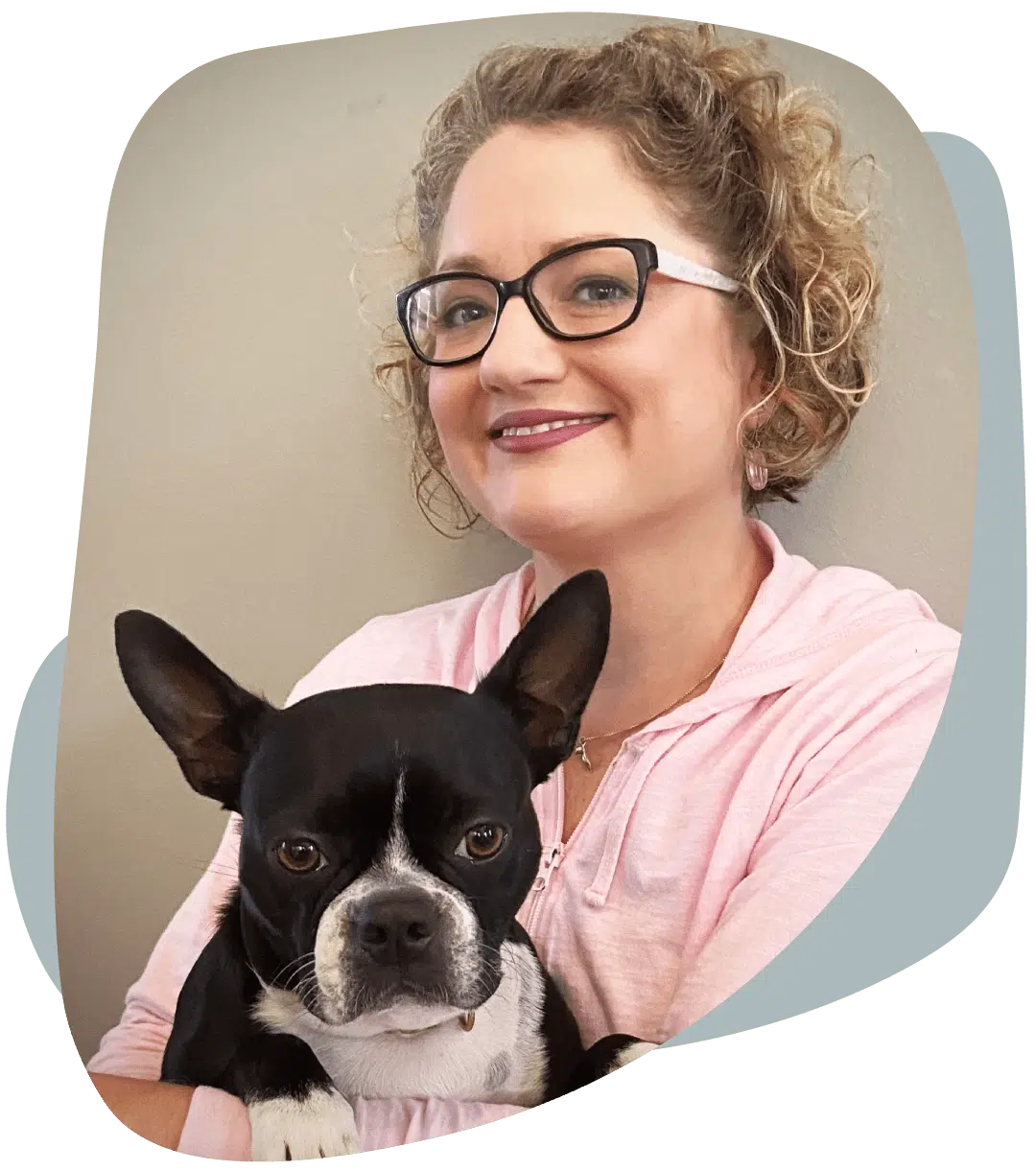
Dr. Cara Gardner
Dr. Gardner, DVM, CVA, has more than 20 years of experience in veterinary medicine and leads ZenPets Integrative Veterinary Care in Columbia, SC. She has been a certified veterinary acupuncturist since 2008 and focuses on pain management, behavior, nutrition, and dermatology. Outside the clinic, she enjoys football, a good book, and time with her family, her dog Squibby, and her cat Obi.
Are you seeking a veterinary practice
that will exceed your expectations?
ZenPets is your answer. Take the first step towards comprehensive and complete pet care by scheduling a consultation today.