
Your Pet’s First Wellness Exam: What to Expect and Why Annual Visits Matter

If you just brought home a puppy or kitten, or you’ve adopted an adult pet and aren’t sure where to start, the first checkup is the visit that sets everything else in motion. Expect a hands-on physical exam from nose to tail, a conversation about diet, home life, and history, a plan for vaccines and parasite protection, and often a small blood or stool sample. After that first visit, regular checkups matter because dogs and cats age faster than we do and are very good at hiding illness. A yearly visit is the minimum, and for most pets we recommend two. For pet owners in Columbia, SC, that rhythm also lines up with a parasite season that rarely takes a break.
A pet wellness exam is different from a sick visit. When your pet is vomiting or limping, the appointment centers on that one problem. A wellness visit steps back and looks at the whole animal while it’s healthy, which gives the veterinarian a baseline to compare against later. Weight, heart and lung sounds, skin and coat, teeth, joints, eyes, ears, and lymph nodes all get checked and recorded. That record grows more useful every year, because a two-pound weight gain or a faint new heart murmur only means something when there’s an earlier finding to compare it to. These visits are the core of preventive pet care, and they’re also the best time to ask the questions you’ve been saving up, from what to feed to whether that lump on the shoulder is worth a closer look.
Plenty of pets dread the vet, and plenty of owners put off visits because of it. At ZenPets Integrative Veterinary Care, our staff is trained in low-stress handling, and we take our time with first visits so a young puppy or a nervous rescue cat leaves with a better impression than it came in with. Dr. Cara Gardner has more than 20 years in veterinary medicine and has been a certified veterinary acupuncturist since 2008, so her exams draw on both conventional medicine and Traditional Chinese Veterinary Medicine. In practice, that means she asks about digestion, sleep, energy, and home environment along with the standard checklist. When something does turn up, you’ll hear about every option, conventional and integrative, and you’ll help choose the plan.
This Article Will Address
- What actually happens, step by step, during a checkup
- How often dogs and cats should be seen at each life stage
- Why we recommend twice-yearly visits for most adult pets
- The puppy and kitten vaccine timeline
- What routine bloodwork can find before symptoms show up
What Happens During an Annual Wellness Exam?
A wellness exam is a full physical, a review of your pet’s history and habits, and a check on preventive care, usually all in one visit. Here’s what a typical exam at our practice covers:
- A conversation first, about diet, treats, energy, bathroom habits, and anything new you’ve noticed at home.
- Weight and body condition, recorded so trends are easy to spot from visit to visit.
- A nose-to-tail physical exam, including eyes, ears, mouth, skin, heart, lungs, abdomen, joints, and lymph nodes.
- Parasite screening, with a heartworm test and stool check when they’re due.
- Vaccines, or core vaccine titers when they make more sense for your pet.
- Bloodwork and urinalysis when your pet’s age or history calls for them.
For a first visit, plan on a little extra time. We’ll go over records from the shelter or breeder, set up a vaccine and deworming schedule, and talk about microchipping. Our diagnostic and wellness exams follow the same whole-pet approach as the rest of our veterinary services.
How Often Should My Dog or Cat See the Vet?
Puppies and kittens should be seen every three to four weeks until about 16 weeks of age, and most adult and senior pets should come in twice a year. The early visits are close together because that’s when the vaccine series, deworming, and growth checks happen. Once your pet is grown, we recommend an exam every six months for healthy adults. Seniors also come in twice a year, with more advanced diagnostics added, usually starting around age seven for most dogs and cats and earlier for giant breeds.
Pets with a chronic condition such as kidney disease, arthritis, or allergies may need to be seen more often so treatment can be adjusted. And any sudden change between visits is a reason to call rather than wait. A drop in appetite, drinking far more water than usual, or a new limp all deserve a look sooner.
What’s the Difference Between an Annual and a Semi-Annual Exam Schedule?
An annual schedule means one wellness exam a year, while a semi-annual schedule means two, spaced about six months apart. One visit a year is the minimum most veterinary organizations recommend. We generally suggest two for adult dogs and cats, and the reasoning comes down to how fast pets age. A medium-sized dog ages several “human years” for every calendar year, so a once-a-year exam is a bit like a person seeing their doctor every four or five years. Six months is plenty of time for dental disease to progress, for a cat to quietly lose weight, or for kidney values to start climbing.
The second visit doesn’t have to repeat everything. Most vaccines, for example, aren’t due at both appointments. Often the six-month check is a physical exam, a weight check, and a conversation about how the current plan is working, which tends to make it a shorter visit.
What Vaccines Does My Puppy or Kitten Need, and When?
We recommend bringing your puppy or kitten in for their first visit at about 6 to 8 weeks old, when they may be ready to start their vaccines. Young pets need a series of vaccine visits spaced a few weeks apart, usually finishing around 16 weeks old. That’s because antibodies from the mother’s milk can keep a vaccine from working, and there’s no way to know exactly when those antibodies fade. Giving a series of doses makes sure your pet is protected once they do.
You don’t need to memorize a schedule. At that first visit, we’ll look at your pet’s age, health, and lifestyle, then walk you through which vaccines they need and when to come back. If you adopted your pet a little older, that’s okay too. We’ll build a plan that fits where they are now.
Why Does My Vet Recommend Bloodwork Even When My Pet Seems Healthy?
Many serious conditions change blood values months or even years before a pet looks sick. Dogs and cats are wired to hide weakness, and a cat with early kidney disease may still be eating, grooming, and acting perfectly normal. Routine bloodwork for a healthy pet usually includes a complete blood count, which looks at red cells, white cells, and platelets, and a chemistry panel that checks kidney and liver values, blood sugar, protein, and electrolytes. A urinalysis often goes with it.
There are two big payoffs. The first is a baseline: your pet’s normal numbers, recorded while healthy, make future results much easier to read. The second is early detection. Finding kidney changes, diabetes, or thyroid disease early usually means more treatment options, including diet changes that work better before damage builds up. Bloodwork is also standard before anesthesia, and it’s how pets on long-term medications are monitored safely.
Book Your Puppy or Kitten’s First Checkup with ZenPets Today
Whether you’re bringing home a brand-new puppy or catching up an adult cat who hasn’t been seen in a while, ZenPets Integrative Veterinary Care is welcoming new patients and would love to meet yours. We’ll keep the first visit calm and unhurried and send you home with a clear plan for vaccines, parasite prevention, and nutrition. Call us at 803-881-0018 or send us a message online to book a wellness visit at our office in Columbia, SC.
Sources
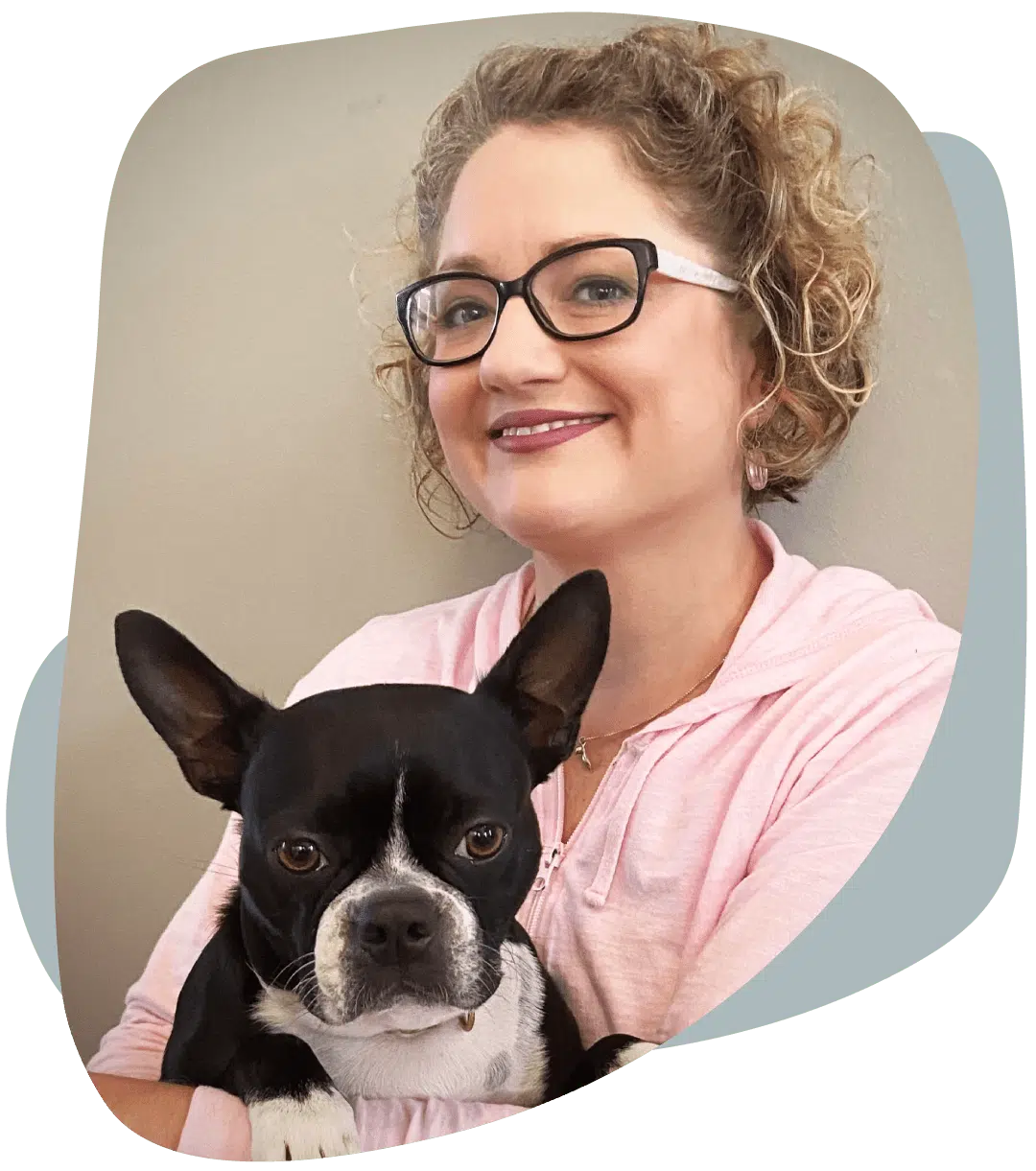
Dr. Cara Gardner
Dr. Gardner, DVM, CVA, has more than 20 years of experience in veterinary medicine and leads ZenPets Integrative Veterinary Care in Columbia, SC. She has been a certified veterinary acupuncturist since 2008 and focuses on pain management, behavior, nutrition, and dermatology. Outside the clinic, she enjoys football, a good book, and time with her family, her dog Squibby, and her cat Obi.
Are you seeking a veterinary practice
that will exceed your expectations?
ZenPets is your answer. Take the first step towards comprehensive and complete pet care by scheduling a consultation today.